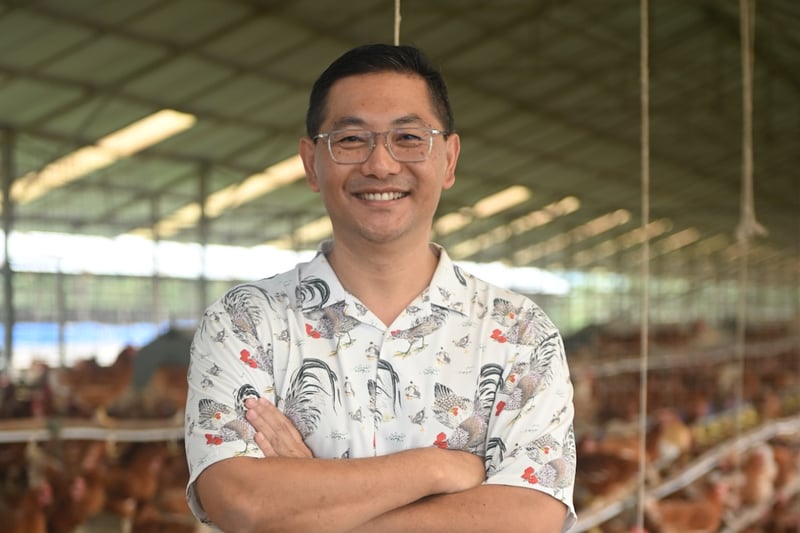
Advancing Animal Welfare in Indonesia’s Egg Sector: How Roby Cahyadi and PASI Are Driving Cage-Free Change
บล็อก
Before markets, before price, before demand, there is the hen.
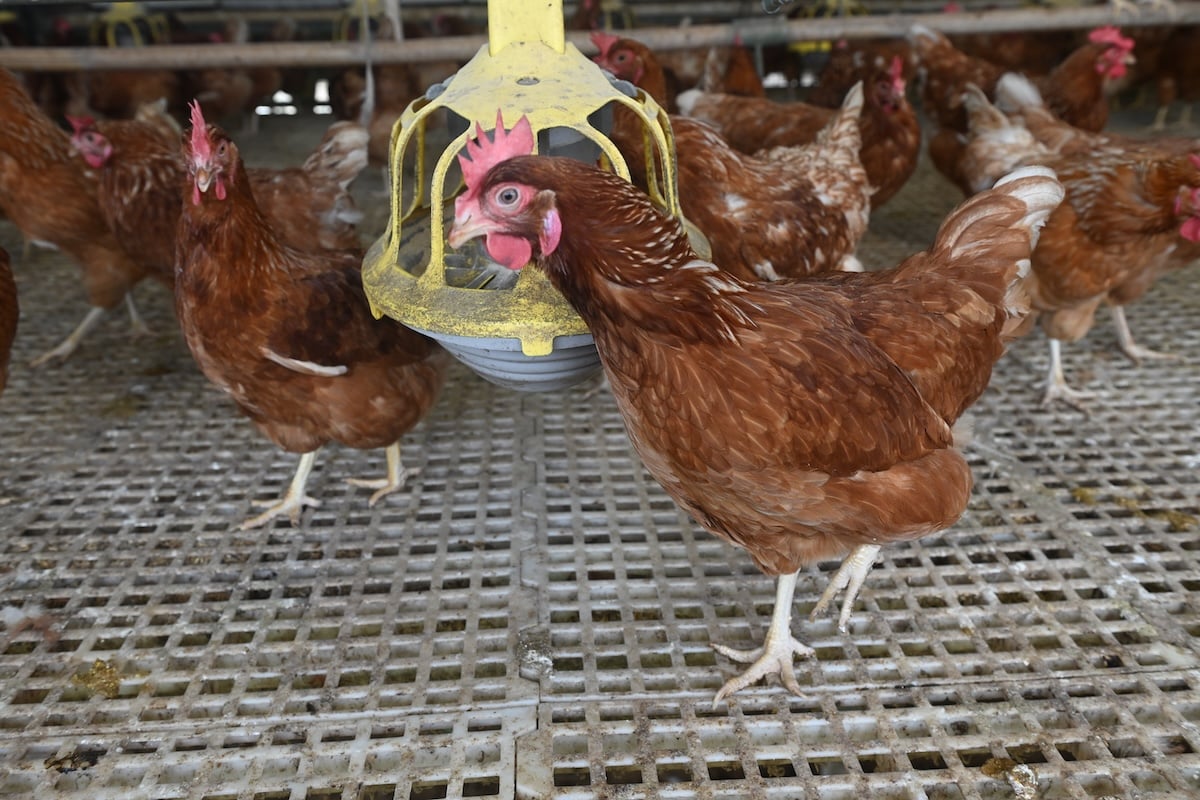
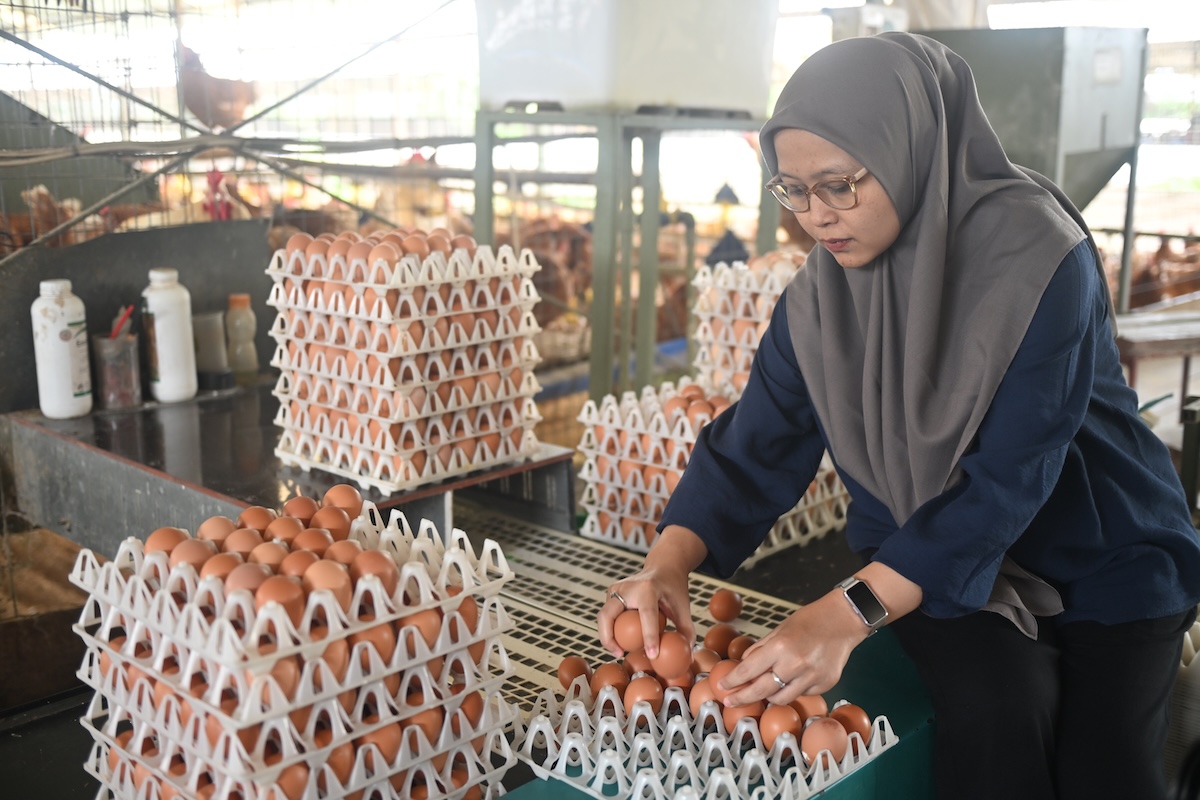
On Roby Tjahya Dharma Gandawijaya’s farm in Sukabumi, located in the lush, hilly area outside Jakarta, Indonesia, hens roam freely across open grounds. They scratch at rice husks, perch above the ground, and rest in small groups. Their feathers are clean, and their eyes are bright. For Roby, this is where animal welfare begins.
“If we see chickens moving freely, with shiny feathers and bright eyes, that is a happy chicken.”
As the second-generation leading PT Inti Prima Satwa Sejahtera, Roby has been operating cage-free laying hen systems since 2000. What started with 10,000 birds and no formal guidance has developed into nearly 25 years of continuous improvement in cage-free management.
The Five Freedoms, Applied in Daily Practice
Animal welfare is often discussed in theory. On Roby’s farm, it is both visible and structured.
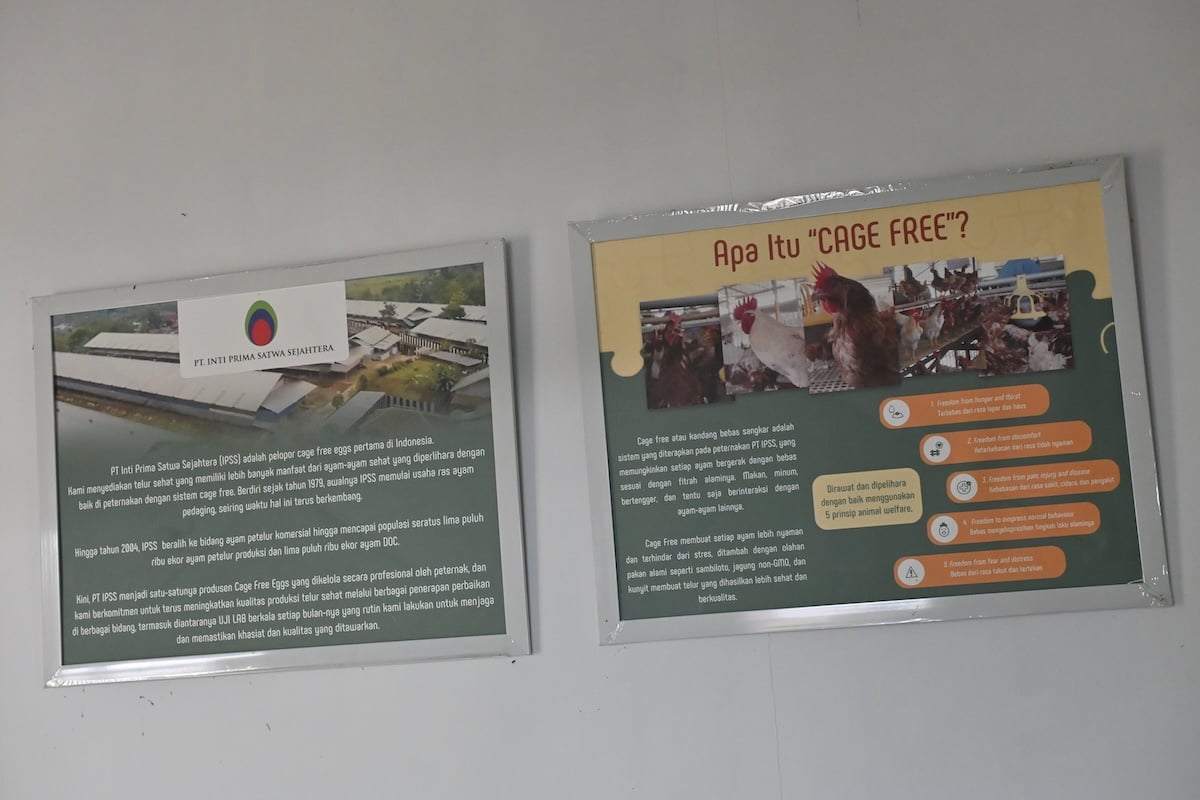
On the wall of his office, a poster of the Five Freedoms is clearly displayed:
- Freedom from hunger and thirst means providing controlled, high-quality vegetarian feed and clean water. The farm produces its own feed and has the water tested in laboratories every six months. The chopped papaya leaf is the favourite dish.
- Freedom from discomfort is addressed through housing design. Stocking density is limited to six birds per square metre. Raised slat flooring improves airflow and reduces ammonia. Scratching areas are refreshed with fresh rice husks twice a week to maintain hygiene.
- Freedom from pain, injury, and disease requires daily observation. When health issues appear, the team looks for the root cause rather than treating only symptoms.
- Freedom to express normal behaviour is central. Hens can forage, perch, move, and rest naturally. Perches help them avoid conflict and reduce stress.
- Freedom from fear and distress is supported through adequate space, consistent care, and attentive management.
The poster is a reminder. The real work happens inside the house.
“When we are trusted to raise them, we must give them a good life,” Roby says. “That is how we respect the chicken.”
Returning to a More Natural Feeding System
Over time, Roby made another significant shift. The farm moved away from commercial complete feed and began producing its own vegetarian feed.
“We believe chickens are birds. Their main diet comes from seeds. So we go back to the root.”
Removing animal protein and antibiotic growth promoters was not simple. Gut health had to be managed carefully. Housing conditions had to improve. Management standards became stricter.
Hens in cage-free systems consume 10 to 15 per cent more feed because they move freely. Vegetarian ingredients also increase cost. The transition required investment and discipline.
For Roby, the decision was not only technical. It was about aligning feeding practices with the bird’s biology and welfare.

He believes this approach contributes to stronger food safety, including reduced risks of contamination and improved nutritional value.
Where PASI Strengthens the System
While Roby’s farm has practiced cage-free production for decades, wider change requires collaboration.
Perkumpulan Ayam Sejahtera Indonesia (PASI), one of the Investing in Others programme’s third-phase grantees, works directly with farmers to promote higher-welfare poultry systems, including cage-free laying hens in Jakarta and beyond.
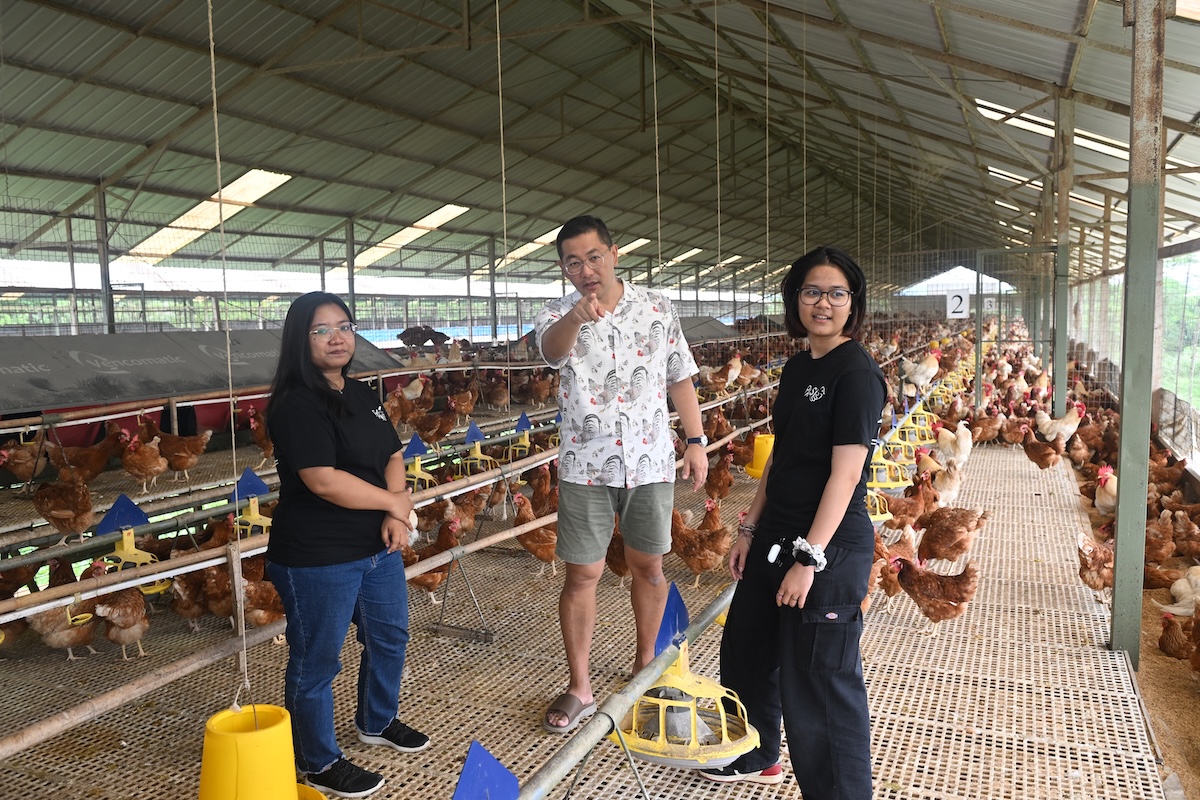
PASI supports connecting traditional battery cage farmers with cage-free farmers to promote dialogue about transitioning to cage-free practices and raise awareness among farmers.
Through this engagement, farmers like Roby are not isolated examples. Their experience becomes part of a larger effort to strengthen cage-free production in Indonesia.
Farmers are responsible for daily animal care. PASI supports the enabling environment by building understanding across stakeholders, including industry, policymakers, and buyers.
This partnership is practical. It connects welfare principles to real farm management and real market conditions.
The Human Commitment Behind Higher Welfare Eggs
Cage-free eggs typically cost more than conventional battery eggs. Globally, they can be around 30 per cent higher in price. The main drivers are feed cost and management intensity.
Roby does not avoid this reality.
Hens that move freely require more feed. Vegetarian diets increase cost. Quality control and direct delivery add further expenses.
Yet he is clear about why he continues.
“We are happier managing chickens in cage-free systems. We are proud to see them walking around.”
For him, welfare is not separate from performance. Healthier, less stressed hens show stronger resilience. Caretakers become more attentive. Farming shifts from controlling production units to caring for living animals.
That shift changes how farmers see their role.
What Needs to Change Beyond the Farm
For cage-free laying hen systems to expand in Indonesia, Roby sees shared responsibility.
Government support is needed to increase public understanding of what cage-free means. NGOs and organisations like PASI must continue to raise awareness of animal welfare and of safe, traceable products. Feed mills could develop specialised cage-free diets for farmers who cannot mix their own feed. Buyers and consumers must recognise the value of higher-welfare eggs.
“Some people say no one can supply cage-free eggs. Actually, we can supply, if we agree and improve together.”
Supply is not the only barrier. Understanding is.
Start with the Hen
After nearly 25 years, Roby’s approach remains consistent.
Start with the hen. Ensure she can eat properly, move freely, perch, rest, and live without unnecessary stress. Align farm management with the Five Freedoms. Improve step by step.

Farmers like Roby demonstrate that cage-free laying hen farming in Indonesia is not a future concept. It is already happening.
Organisations like PASI help ensure that these practices are recognised, strengthened, and expanded.
The future of higher welfare egg production does not begin with price. It begins with how we treat the animal.
Everything else follows.
Learn more about FANSEA: https://www.worldanimalprotection.or.th/our-work/farmed-animal-network-southeast-asia/
Follow FANSEA on LinkedIn: https://www.linkedin.com/company/farmed-animal-network-sea